
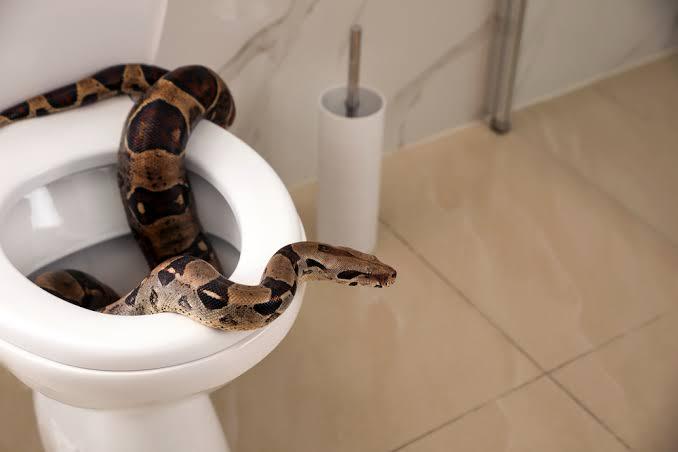
Smart ways to keep snakes out of your home—Especially the Toilet
By Aina Shehu
The recent recurrence of snakes invading homes across parts of Nigeria has triggered widespread concern, with many residents seeking ways to prevent encounters with the deadly reptiles.
Public anxiety intensified following the death of Ifunanya, popularly known as Nanyah and fondly called the “Soprano Queen”. Her passing has sparked heated national debate, particularly over how a preventable snakebite death could occur in the nation’s capital due to the unavailability of life-saving anti-venom.
According to data released by Nigeria’s Ministry of Health in 2021, the country records an estimated 20,000 snakebite cases annually. Of these, about 2,000 victims die each year, while over 1,700 others suffer permanent disabilities, including the loss of limbs.
The World Health Organisation (WHO) notes that snakebite envenomation disproportionately affects the most vulnerable populations — especially people living in remote and rural communities with limited access to emergency healthcare.
Snakebite poisoning, medically known as envenomation, has remained a long-standing public health challenge in Nigeria, particularly in rural areas. Experts identify three major snake species responsible for most envenomation cases in the country:
the Black-necked spitting cobra (Naja nigricollis),
the Puff adder (Bitis arietans),
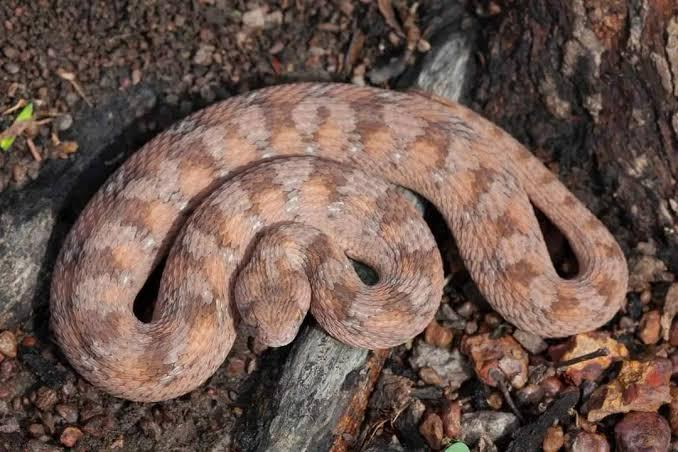
and the Carpet viper (Echis ocellatus).
Among these, the Carpet viper is the most dangerous, accounting for nearly 90 per cent of snakebite incidents and about 60 per cent of related deaths nationwide.
Why Snakes Enter Homes
Snakes typically invade buildings for food or temperature regulation. Rodents such as rats and mice attract snakes, which may follow their prey into kitchens, toilets, septic tanks, and storage areas.
Being cold-blooded reptiles, snakes also seek warm or cool environments to regulate their body temperature. Those living in septic systems may crawl through pipes into homes in search of warmth, especially during colder periods.
How to Keep Snakes Away
Experts recommend eliminating conditions that attract snakes. Keeping rodents out of homes is critical. Clearing bushes, trimming grasses, and removing heaps of wood, rubber, or debris around houses can also reduce hiding spots.
Homemade repellents may help. A garlic-and-onion mixture, which contains sulfonic acid, can repel snakes when mixed with oil and sprayed around snake-prone areas such as toilet corners, behind appliances, basements, chicken coops, and storage areas. For effectiveness, the mixture should be reapplied at least twice a month.
Pouring vinegar into toilet bowls, drains, or stagnant water sources can also dislodge reptiles attempting to crawl through pipes.
Homeowners are advised to inspect buildings for cracks, broken screens, or gaps that snakes could use to gain entry, including in poultry houses and other outbuildings, as snakes can squeeze through very small openings.
Deadly Snakes to Watch Out For
Some of the most dangerous snake species found in Nigeria include:
1. Black-necked spitting cobra
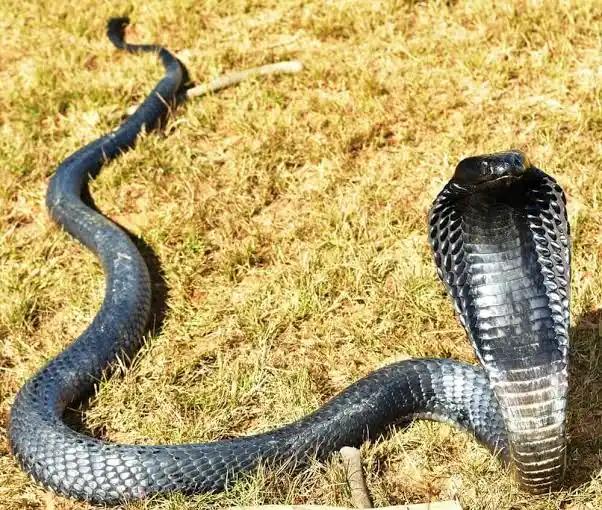
2. Spotted night puff adder
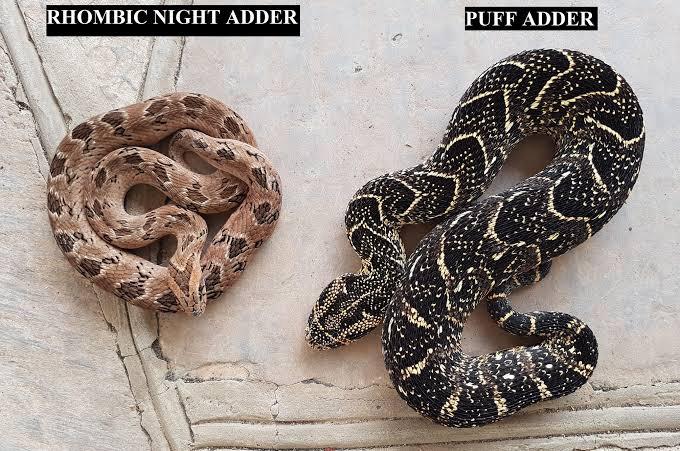
3. Blanding’s catsnake
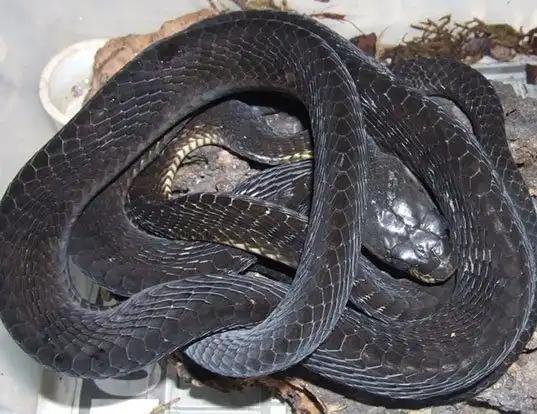
4. Roman’s carpet viper
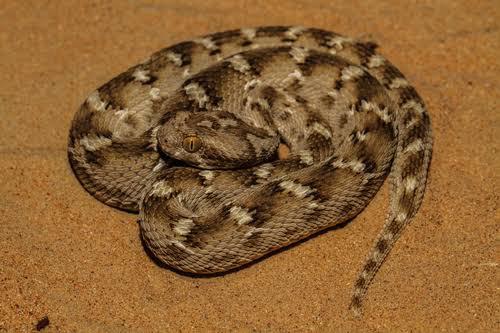
5. West African carpet viper
As snake encounters increase, health experts continue to stress the urgent need for accessible anti-venom, public awareness, and stronger emergency response systems to prevent avoidable deaths.